
Colonics


Colonics
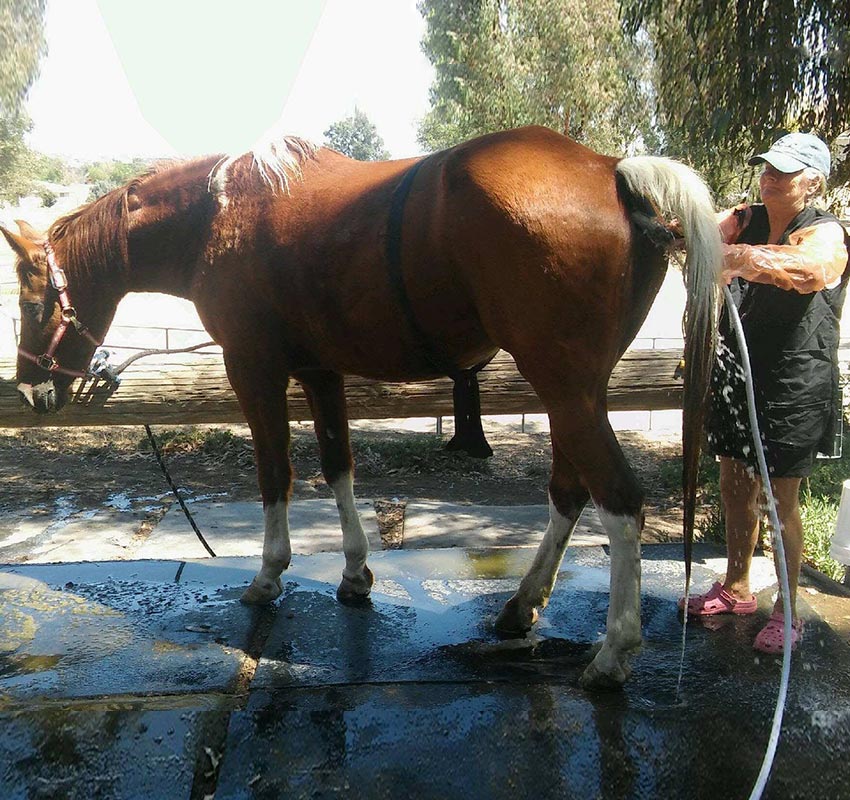
I started practicing colonics as the last attempt to save the horse. This was my first and very successful colonic treatment that was just the beginning to a natural and humane remedy to save horse’s lives. It is more of an art to know the digestive system of a horse; therefore, the more knowledge and education I have attained, the more positive outcome we will acquire for both horses and people.
It is also important to understand the difference between an impaction and a twist when it comes to a horse’s colon, which is why it is of the utmost importance to consult your veterinarian before proceeding with a colonic treatment. Moreover, colonic treatments can help for many reasons. The main reason is giving proper hydration to the body, and another is giving potency to remove any foreign objects. Below are a few experiences I want to share that were most educational for me. Since then, I have done hundreds of colonic treatments. This is a practice that I am a firm believer in and I pray that I can save as many horses as I can!

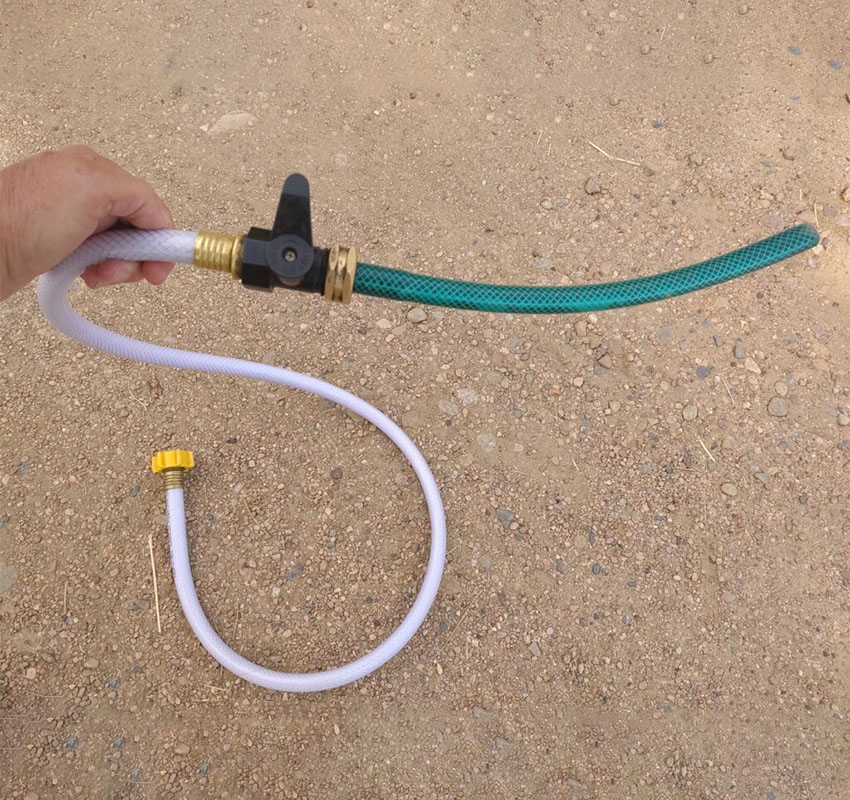
So we gave him Banamine, put Epson salt in his lip, fed him psyllium/mineral oil on 1 cup of pellets and watched him for several hours. After much thought Dee decided to give him a colonic. We put 1 1/2 cups of Epson salt in 3 1/2 gal. of warm water and used a human catheter (the only equipment we could find that would work).
With Beamers permission the procedure consisted of one person holding him at the head and two people administering the colonic. One holding the tube and the other holding the bag from a step ladder after sliding the tube in as far as it would go (approx. 2 feet). It took an hour and a half to drain the contents of the bag. During that time one could feel the tube going past three blockages. The first 2 gal. of water flushed out during the procedure but the last gal. was expelled almost 12 hours later with the stones.

He expelled 20+ stones and approximately 3 lbs of sand by 10:00am the following morning.
After his ordeal his health has greatly improved and he looks 10 years younger. To keep him in a healthy state we have fed him psyllium and a mixture of various grains daily. We have also kept track of how much he is drinking, movement patterns and watched for any vitamin or mineral deficiency.
The book "How To Be Your Own Veterinarian" by Ruth James also contains a section on colonics.

He expelled 20+ stones and approximately 3 lbs of sand by 10:00am the following morning.
After his ordeal his health has greatly improved and he looks 10 years younger. To keep him in a healthy state we have fed him psyllium and a mixture of various grains daily. We have also kept track of how much he is drinking, movement patterns and watched for any vitamin or mineral deficiency.
The book "How To Be Your Own Veterinarian" by Ruth James also contains a section on colonics.
Dee Howe is not a licensed veterinarian. She does not treat or diagnose illnesses. She is an equine consultant, addressing the present state of the horse being evaluated. Dee is a practitioner of bodywork that is based on Biodynamic Craniosacral Therapy. This alternative therapy is not licensed by the state of California. Dee Howe is a traveling consultant and horse trainer/teacher that focuses on the body as a whole to improve overall health and performance of the horse.
We recommend that you consult with your veterinarian before choosing to engage in any type of body work or alternative therapy.